Character Recognition Using ART Network
Definition
Character Recognition using an Adaptive Resonance Theory (ART) Network involves the application of ART models to the task of identifying and classifying handwritten or printed characters. ART networks are particularly suited for this task due to their ability to learn incrementally, handle noisy data, and maintain stability in learning new patterns without forgetting previously learned ones.
Key Concepts
- Incremental Learning: ART networks can learn new character patterns one by one without needing retraining from scratch.
- Noise Robustness: The ability to correctly recognize characters even in the presence of noise or distortions.
- Pattern Clustering: Grouping similar character patterns together for efficient classification.
- Vigilance Parameter: Adjusting the vigilance parameter to control the specificity of character recognition.
Detailed Explanation
Incremental Learning
- Adaptation: ART networks can add new character patterns to their memory incrementally, making them suitable for dynamic datasets.
- No Forgetting: Previously learned character patterns are retained, ensuring that the network remains robust over time.
Noise Robustness
- Handling Variations: ART networks can effectively manage variations in handwriting or printing styles, improving recognition accuracy.
- Tolerance to Distortions: The networks can recognize characters accurately even when the input data contains noise or minor distortions.
Pattern Clustering
- Grouping Similar Patterns: Characters with similar shapes are clustered together, which aids in efficient recognition and classification.
- Hierarchical ClusteringHierarchical ClusteringTypes of Hierarchical Clustering 1.: More complex characters can be broken down into clusters of simpler shapes or components.
Vigilance Parameter
- High Vigilance: Ensures that only very similar patterns are clustered together, which is useful for distinguishing between similar characters.
- Low Vigilance: Allows for broader clustering, useful for generalizing across different handwriting styles.
Diagrams
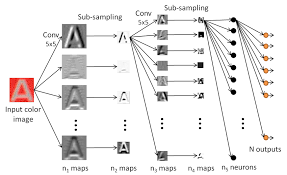
Structure of an ART Network for Character Recognition
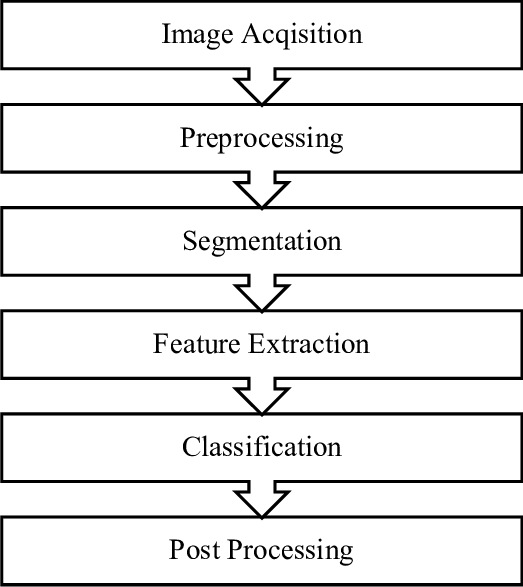
Character Recognition Process
Links to Resources
- Adaptive Resonance Theory (ART) Overview: Detailed reference entry on ART networks, explaining their principles and applications.
- Handwritten Character Recognition Using ART: Research paper on the application of ART networks for handwritten character recognition.
- Neural Networks and Learning Machines by Simon Haykin: Textbook providing an in-depth discussion on ART networks and other neural network models.
Notes and Annotations
- Summary of Key Points:
- ART networks are effective for character recognition due to their incremental learning capabilities and robustness to noise.
- The vigilance parameter plays a crucial role in determining the specificity and generalization of the recognition process.
- Pattern clustering in ART networks helps in efficiently classifying and recognizing characters.
- Personal Annotations and Insights:
- The ability to adjust the vigilance parameter allows ART networks to balance between recognizing fine details and generalizing across variations.
- ART networks are particularly useful in real-world applications where data is continuously evolving and needs to be learned incrementally.
Backlinks
- Features of ART ModelsFeatures of ART ModelsDefinition Adaptive Resonance Theory (ART) models are a class of neural networks designed to perform pattern recognition and clustering while addressing the stability-plasticity dilemma. They ensure that new information can be learned without erasing previously stored information, making them suitable for real-time and incremental learning tasks. Key Concepts Stability-Plasticity Dilemma*: The balance between retaining existing memories (stability) and learning new patterns (plasticity). Reso: Refer to notes on the features of ART models to understand the foundational concepts that make them suitable for character recognition.
- Unsupervised Learning Techniques: Connect to broader discussions on unsupervised learning methods to understand the context of using ART networks for character recognition.
- Neural Network Models Overview: Link to an overview of various neural network models to see where ART networks fit in the landscape of machine learning techniques.